Burying a Pet at Home: Rules to Check, Practical Steps and Alternatives
In this article
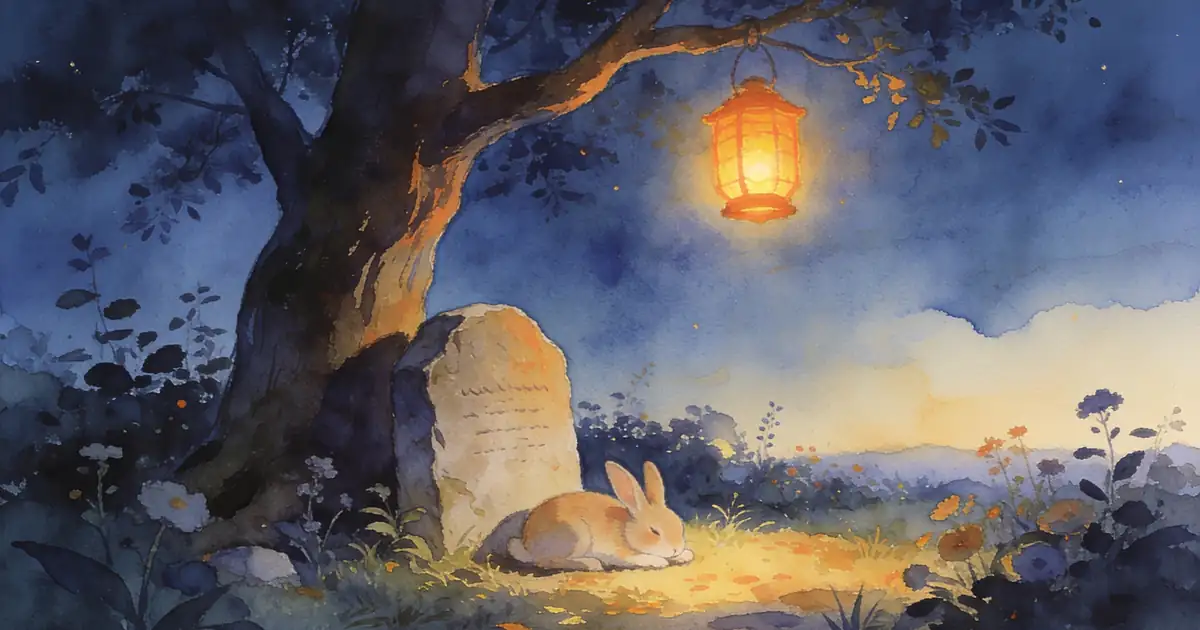
For many people, burying a pet under a favorite tree or in a quiet corner of the garden feels right. It keeps your companion close, gives you a place to visit, and can be a meaningful part of saying goodbye.
It also involves rules and practical details that are easy to overlook in the first hours of grief. This guide covers what to check before you dig, how to do it with care, and what to do if a home burial is not possible. It is general information; local laws differ, so please confirm what applies where you live.
Step one: check whether home burial is allowed
Rules about burying pets vary widely by country, state or province, county and city. Some places allow burial on private property with conditions. Others restrict it or ban it entirely, especially in urban areas or near water sources. Some require a minimum depth, a minimum distance from wells and waterways, or specific materials.
To find out:
- Ask your veterinarian. They usually know local rules or can tell you whom to call.
- Call your local animal services, public health or environmental office. Ask whether burying a pet on private property is allowed and what the requirements are.
- Check your homeowners' association rules or lease. If you rent, you will almost certainly need permission from your landlord. If you may move, think about whether you would be leaving your pet behind.
Do not bury a pet on public land, in parks, or on someone else's property without permission.
Step two: think about the site
Choose a spot with care:
- Away from water. Avoid places near wells, streams, ponds, drainage ditches or areas that flood. Local guidance often specifies a minimum distance, so ask.
- Away from utility lines. In the United States, call 811 a few days before you dig and the utility companies will mark underground lines for free. Many other countries have similar services. Do not skip this step.
- Away from places you may dig later. Think about future garden beds, a pool, a fence or a planned extension.
- Somewhere stable. Avoid steep slopes or spots where erosion may expose the site.
- Somewhere you will want to visit. A quiet corner, under a tree (watch roots), or by a bench.
If the ground is frozen, rocky or waterlogged, or if you do not have the physical ability to dig, consider other options, listed below.
Step three: depth and protection
Burial that is too shallow can be disturbed by wildlife or by later digging. Many local guidelines suggest a depth of about three feet (roughly one meter) or more of soil over the body, and some say deeper for larger animals, but your local authority's figure is the one to follow.
If your pet was euthanized, ask your veterinarian about a deeper burial, because remains can contain medication residue that may harm animals that dig them up. This is another reason depth matters.
Other practical points:
- Use biodegradable materials. A cotton blanket, a cardboard or wooden box, or a natural-fiber shroud are common choices. Avoid plastic bags, sealed plastic containers or synthetic materials, which slow decomposition and can create problems.
- Do not use quicklime or chemicals unless a local authority or veterinarian specifically advises it. The advice varies and these can be hazardous if misused.
- Wear gloves when handling the body and wash your hands after.
- Add a layer of heavy stones or a patio paver over the grave if wildlife is a concern, but check that it does not interfere with drainage.
Step four: make it a farewell
You do not have to hurry. Some people hold a small ceremony, with a few words, a favorite toy, a note, flowers or a moment of quiet. If children are involved, let them take part in whatever way feels right to them. Our guide to explaining pet loss to a child has ideas for including them.
When you cover the grave, many people find it helps to fill it gradually and to have someone with them.
Marking the spot
A marker helps you remember where your pet is and helps anyone who digs later know to leave the area undisturbed. Options include:
- A flat stone, a painted rock or a garden stone.
- A small plaque or stake.
- A planted shrub or perennial (choose plants suited to your climate, and give them room).
- A simple wooden cross or marker, if that fits your beliefs.
If you are unsure what to write, our guide to wording for a pet memorial stone or plaque offers original ideas.
If you may move later
Home burial can be complicated if you sell the property. Some people choose cremation instead, then bury a portion of the ashes or keep them to move with them. Others accept that the grave will stay behind and take a small stone, a handful of earth or a photograph with them. There is no perfect answer; think about which would be harder to live with.
If home burial is not possible
- Pet cemeteries. Many areas have pet cemeteries that offer burial plots, with or without a service. Ask about costs, location and whether you can visit.
- Cremation. This keeps your options open: you can keep the ashes, scatter them where allowed, or bury an urn. See cremation or burial for a pet: how to choose and what to do with pet ashes.
- Your veterinarian's aftercare services. Some practices arrange cremation or burial on your behalf.
- Municipal services. Some local governments collect and handle pet remains, usually for a fee.
Small pets and unusual cases
Smaller animals such as hamsters, rabbits or birds may be buried in a pot or in the yard with the same care about depth and water. If your pet died of a contagious illness or you are unsure why they died, talk with your veterinarian before burial about any precautions.
Gentle reminders
- You do not need to decide immediately. If you need time, ask your veterinarian how to care for your pet in the meantime. See what to do when your pet dies at home.
- It is okay to change your mind. If the plan you made does not feel right, you can adjust it.
- Take care of yourself. Digging is physically hard, especially in grief. Ask a friend or neighbor to help if you can.
Remembering after the burial
A grave, a stone and a quiet corner of the garden can become a place where you feel close to your pet. You can visit, plant something, sit with a cup of tea. If you want other ways to remember, see our pet memorial ideas at home.
This article offers general information and comfort. It is not veterinary, medical or mental health advice. See our disclaimer.
Related reading
Practical aftercare
Cremation or Burial for a Pet: How to Decide What Is Right for You
Comparing pet cremation and burial? Understand the types of cremation, what burial involves, typical considerations like cost and location, and questions to ask before you decide.

Practical aftercare
What to Do When Your Pet Dies at Home: A Calm, Step-by-Step Guide
If your dog, cat or other pet has just died at home, here is a gentle checklist: what to do first, who to call, how to care for your pet's body, and what can wait.
Memorials and keepsakes
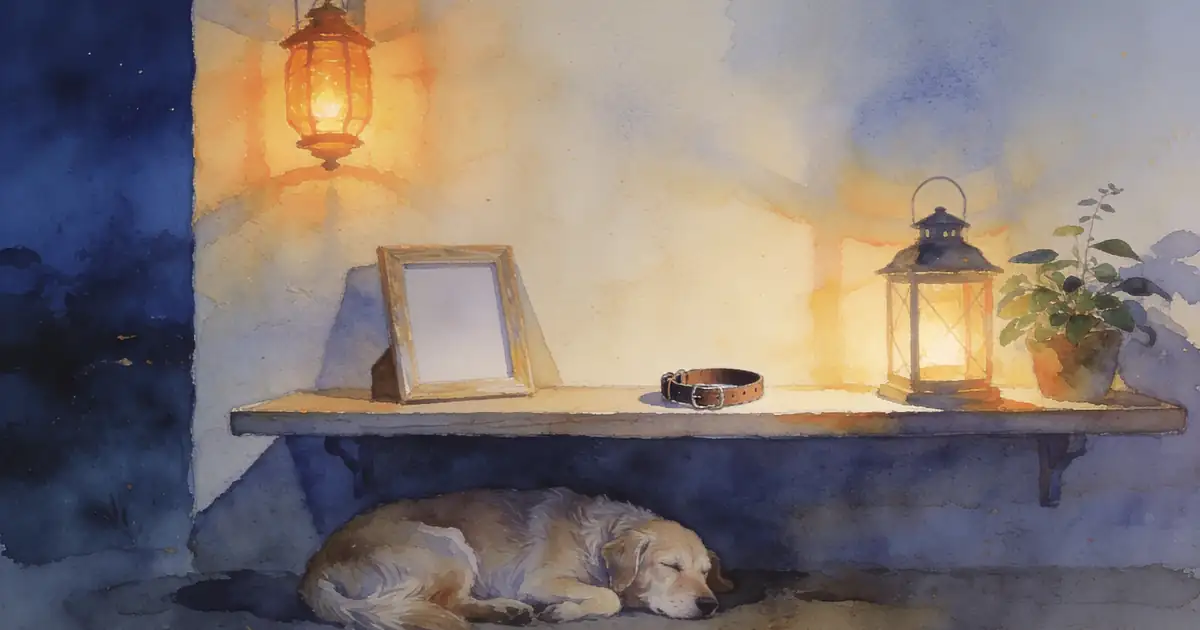
21 Pet Memorial Ideas You Can Do at Home (Many Cost Almost Nothing)
Simple, heartfelt ways to remember a dog, cat or other pet at home, from a memory shelf and paw print keepsakes to planting a garden, writing a letter or holding a small ceremony.